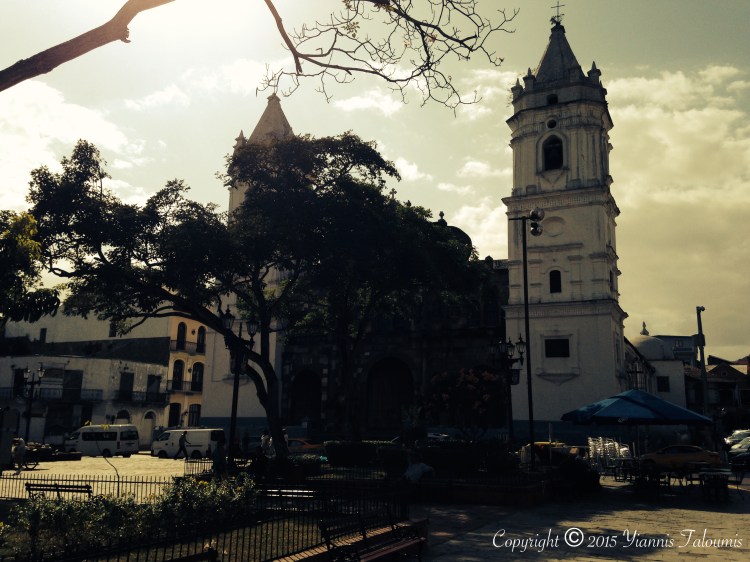
Geisha in Panama city

phonto (1)

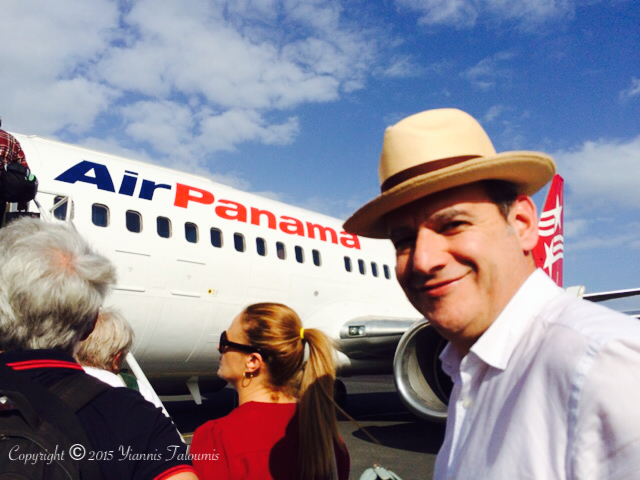
Two hours and a half. My in-between airports free time in Panama City. After a two-day stay in Miami, that was the time left before I caught my next flight to the city of David. I am going to spend three days in Ninety Plus Gesha Estates.
As you may guess, this is the famous farm producing outstanding coffees.
You can see previous reference in older post here.
phonto (11)
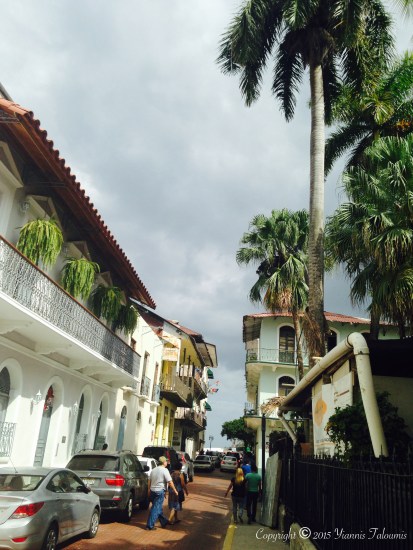
On the one side, the visitor can see Panama’s old city and take a walk in time,
while on the other side huge skyscrapers are built on the beach, reaching the sky.

phonto (8)

 phonto (5) phonto (6)

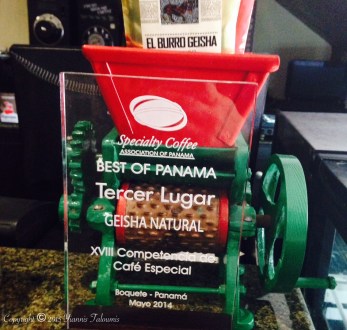
At the old part of the town there is a small coffee shop named Bajareque.
The owner, Wilford Lamastus is also the landlord of the award winning Elida farm (Good Foods Award, Best of Panama Coffee, etc) and El Burro Estate. The estates are located in the highest area of the country, near the Baru Volcano.
El Burro is between 1.575 and 2.000m and Elida, the highest coffee farm in Panama,
is located between 1.700 and 2.500 m. above sea level.
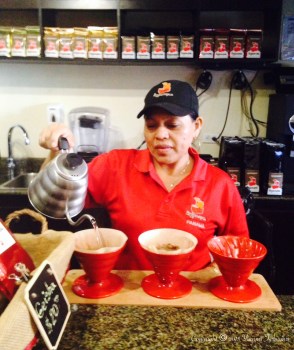
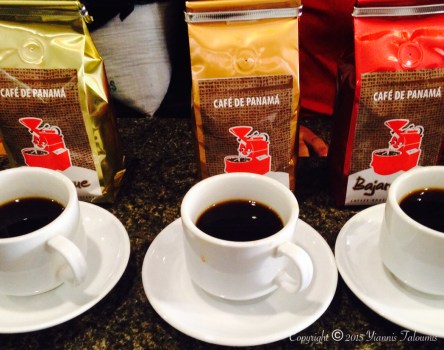
phonto (2) phonto (7) In the menu there is a different proccess trilogy of a special Geisha variety. This variety is widely known to give exceptional taste and cup profiles, and, especially the Panama Geisha, differs a lot from other coffee’s origins. It is amazing. Natural, Honey and Washed is the three proccessing methods. All three coffees were prepared on a V60. The barista ground the coffee and then passed it to me to take the dry aroma.

phonto (9) phonto (4)
Honey proccess beans was the one I prefered on the dry aroma, while as the making was compleated, the washed one was superior. Floral, juicy, with clean aftertaste. That is a definately must-see place, when visiting Panama. I left a note on a card, greeting and congratulating Wilford and I left to catch my flight to David.

Hopefully, my next post will be from Ninety Plus Gesha Estates.           phonto (10)
Istanbul’s new coffee scene

photo 4

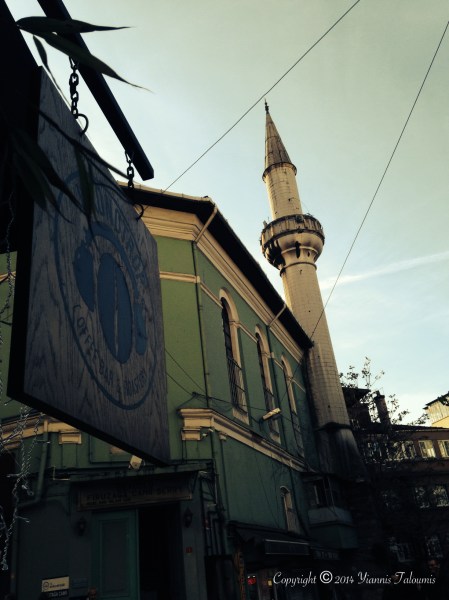
Istanbul is a place of great history, glory days and huge contradictions. It is also the place that the first coffee shop is said to operate, when Ottomans brought the magic beans in Contantinople around 1450.
Today this crowded city has numerous cafes, most of them serving traditional ibrik coffee in the special pot and some of them acting the modern way.

photo 1
During the last two years a new coffee scene has been created, contemporary coffee shops express the new wave and form a modern coffee culture in the city where was supposed to find only turkish coffee.
These two years I keep a close eye to the new coffee scene, participate in local events either as a judge to the contests held or by organising workshops.

festivalsensory taf_cup

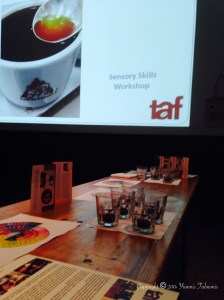
This Christmas I visited Istanbul during the first Coffee Festival. I organised three workshops on “sensory skills” and cuppings on different coffees. Not only professionals but also consumers attended, a big turnout, many more people came than originally expected.

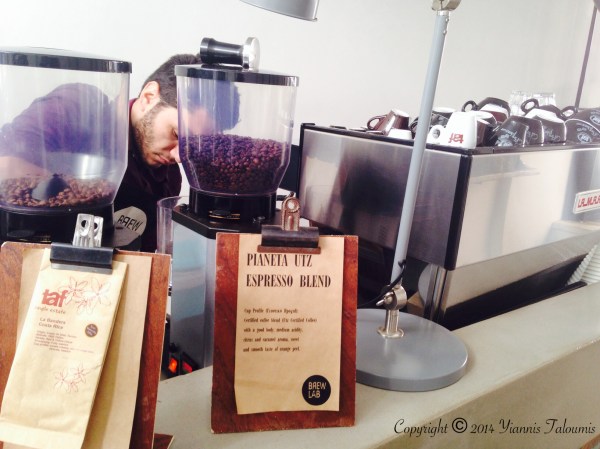
In general Istanbul Coffee Festival achieved great success and this fact strongly confirms the new situation developing in Istanbul coffee. Kronotrop, Petra, Caffeetopia, Cup of joy, Brew Lab are some of the new coffee shops that star in the modern coffee scene.

photo 2 photo 3

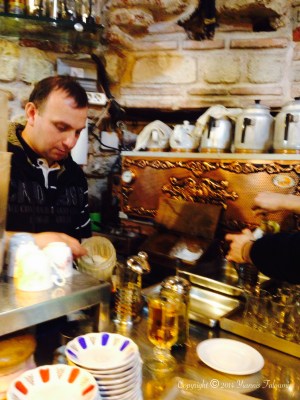
I visited Kronotrop in Cihangir neighborhood, in a bigger place that their previous spot, that now hosts Bew Lab. I enjoyed a Panama espresso, from Don Pachi farm, of typica variety. The reason I chose this particular coffee is that the beans come from a familiar source, Taf coffee has provide the green coffee to Kronotrop.

Seoul: tablets and coffee culture

phonto (6)

Seoul is for Asia what New York is for the world.
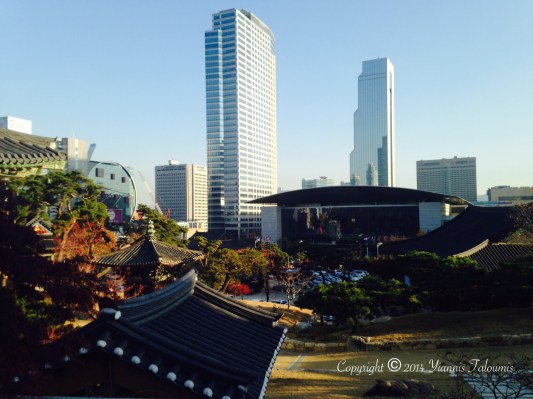
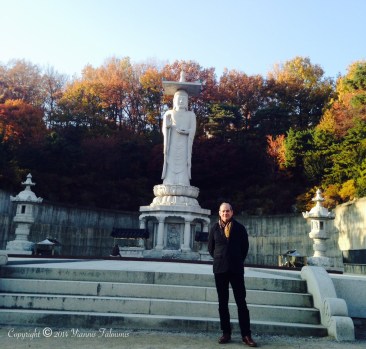
Overcrowded -but still very clean, with normal car noise. People move fast, everybody holds a tablet, they walk and chat, they move quickly, loading like internet pages. It is not possible for someone to get lost in this big city; people are very willing to help you find your way, using their tablets- the fastest way of giving information about anything. The politeness of its citizens is remarkable.

phonto (8)

phonto (7)  phonto (10)

phonto (9)

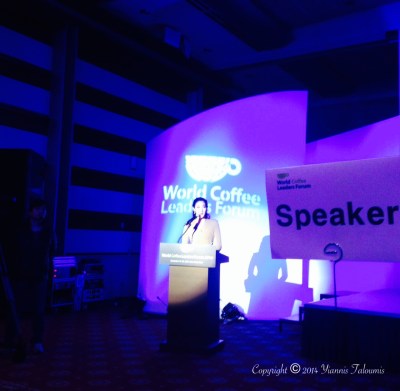
I visited Seoul for the World Coffee Leaders Forum, the first international coffee forum in Asia.
It was held for the first time in 2012, in Korea and is officially supported by the International Coffee Organization. It is a series of discussions considering new trends, sustainable development, new methods, social reality as well as the future of coffee.
Coffee culture in Korea has developed greatly, the consumption has been increased, and although it may all started from instant (soluble) coffee on big coffeehouse chains, now there are a lot independent respectable coffee shops offering excellent coffee. Traveling to coffee origins, I usually meet green coffee buyers and that is how I get to know that some of them (in Korea) buy the best microlots.

During the event, I had the chance to visit some of these coffeehouses. The two I liked most are:

phonto (3)

phonto (1) phonto (2)

phonto (4) phonto

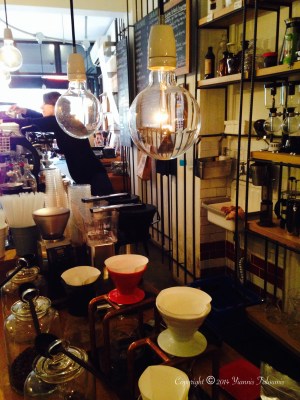
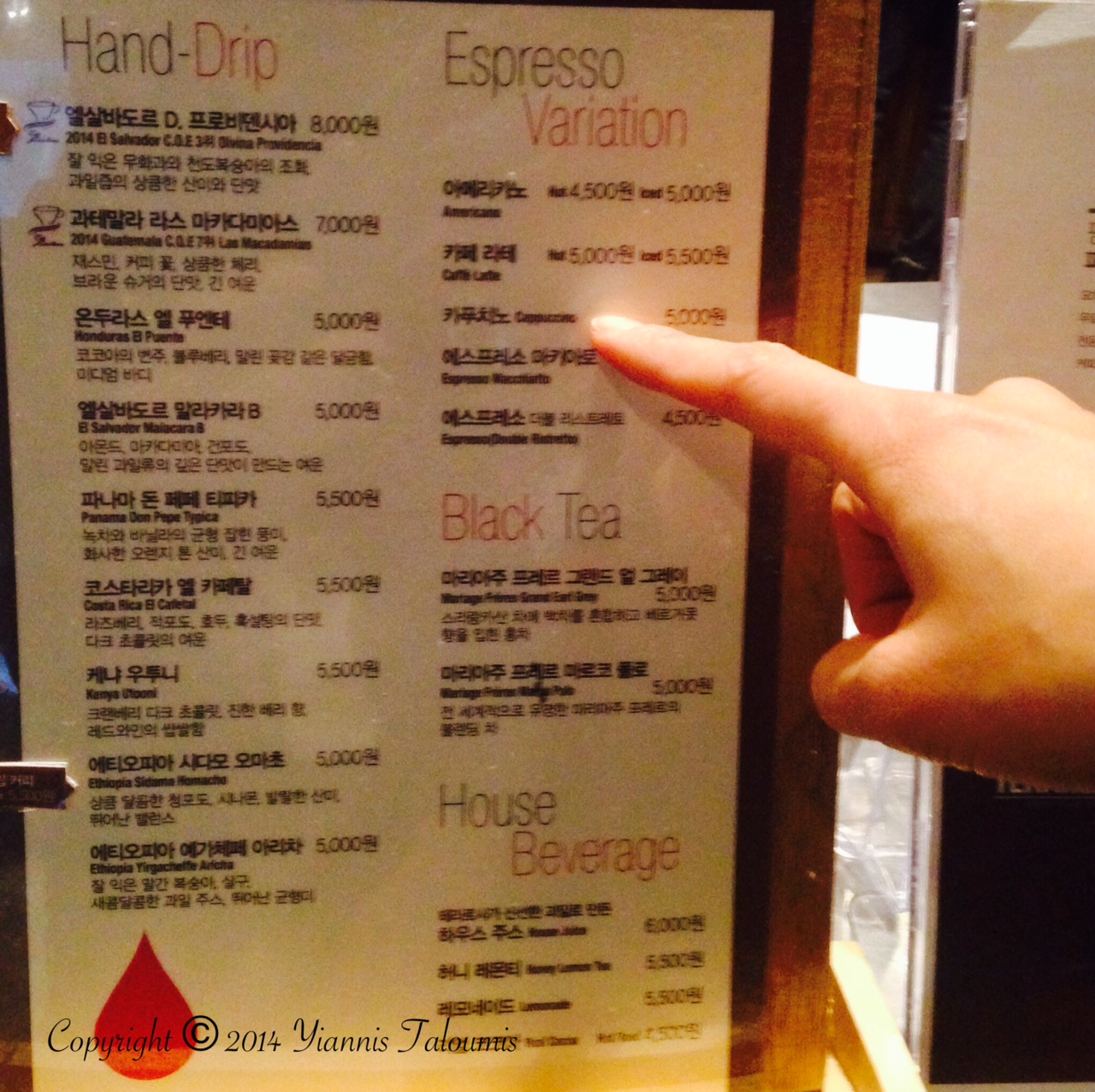
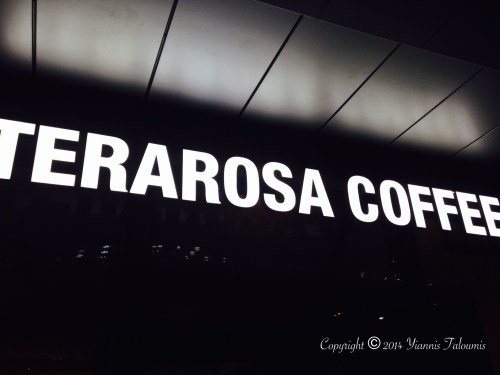
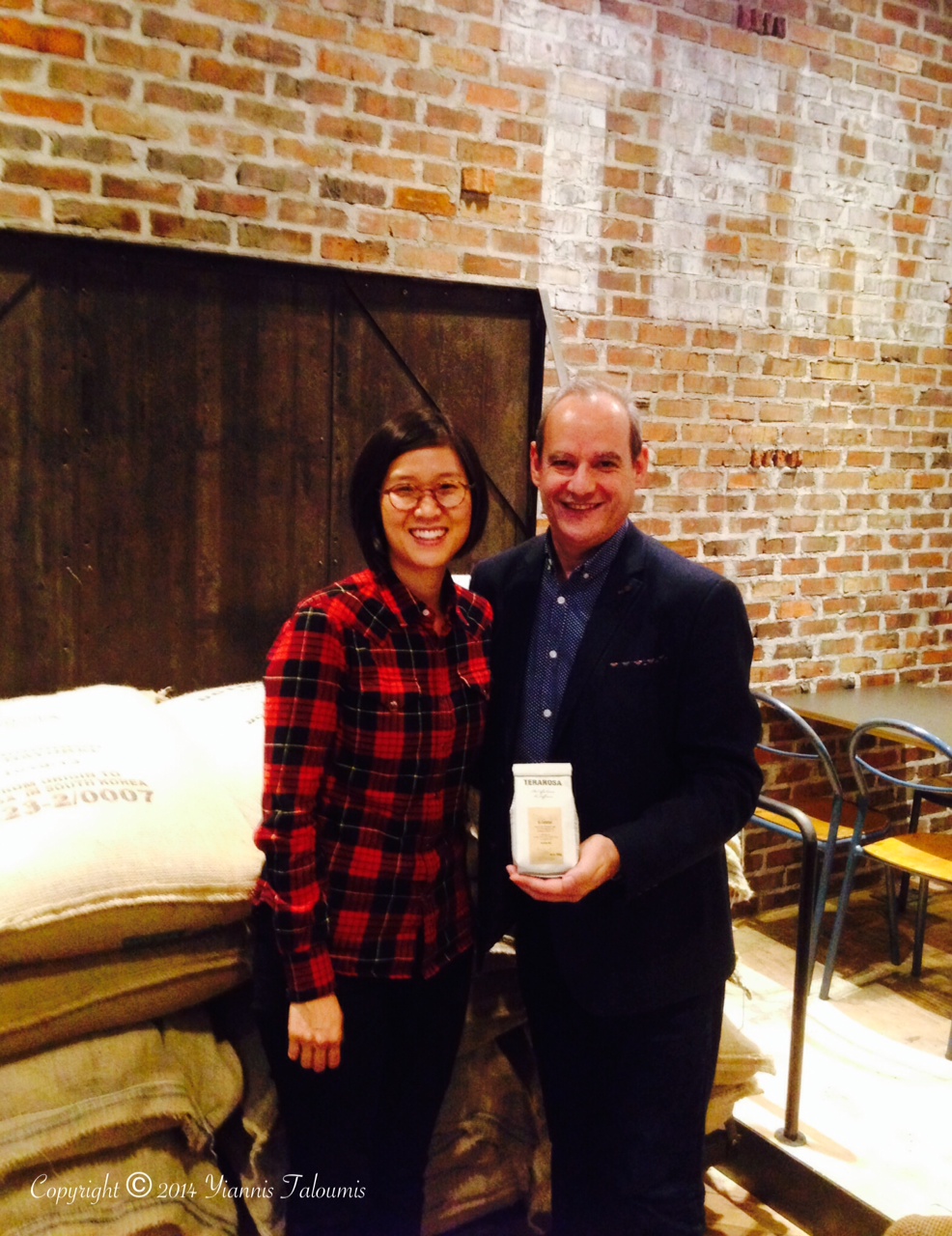
Terarosa, a big coffeehouse near the embassy of Japan, in a neighborhood where offices and financial services are situated. The place has a major collection of old coffee objects and books. The beverages are made by skillful baristi and are served in old fashioned cups. I have known Lee, who is in charge for green coffee buys and the research of the exceptional raw material. I knew I would have found something really special. I had the chance to try the microlot Las Macadamias – 14, which took the seventh place in Guatemala Cup of excellence 2014.

phonto (11)  phonto (13)

phonto (5)  phonto (14)

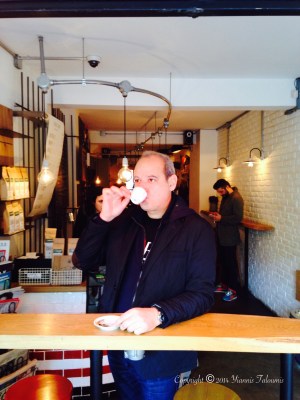
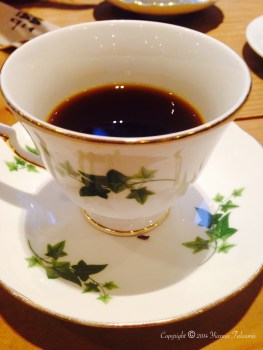
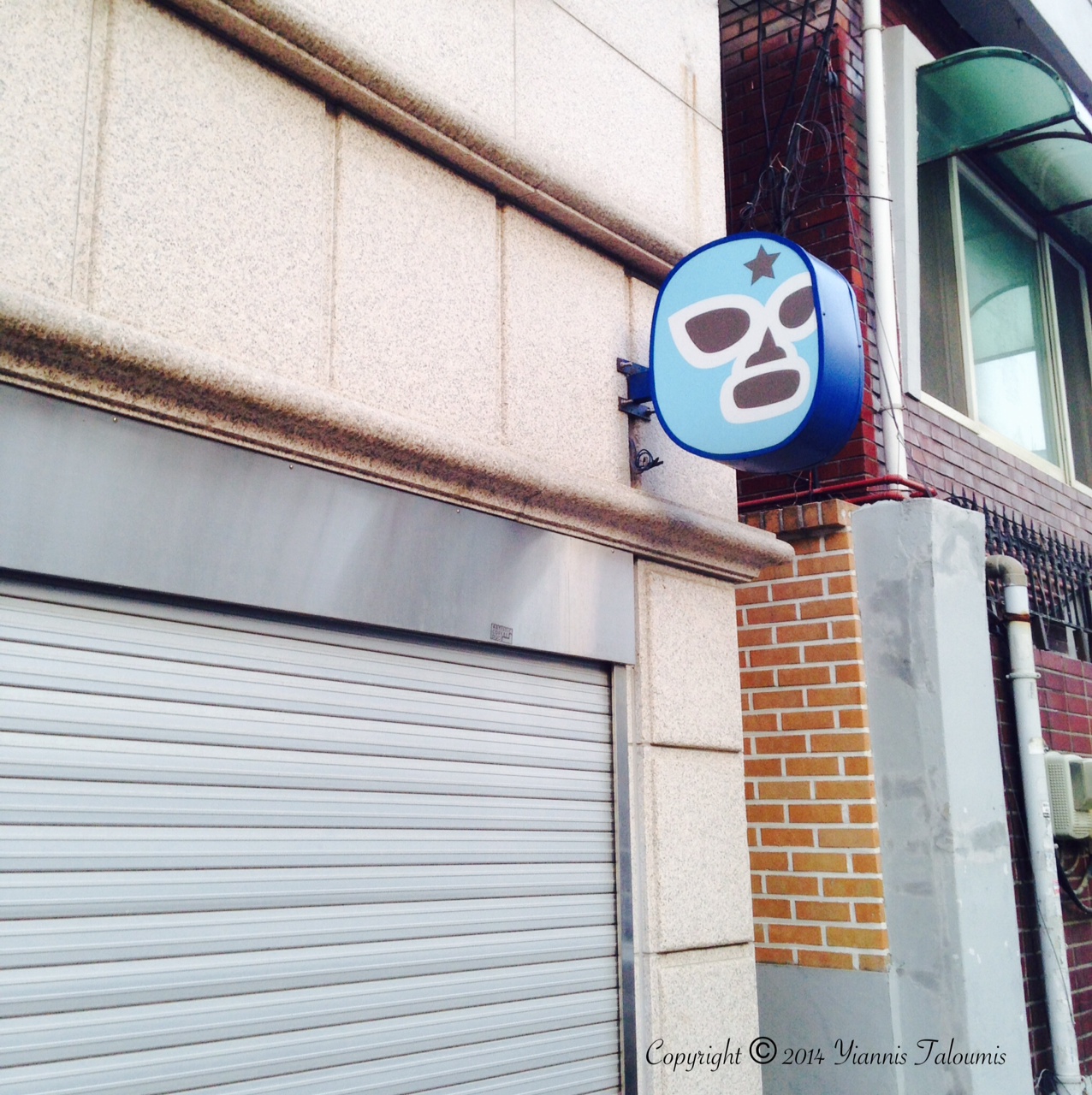
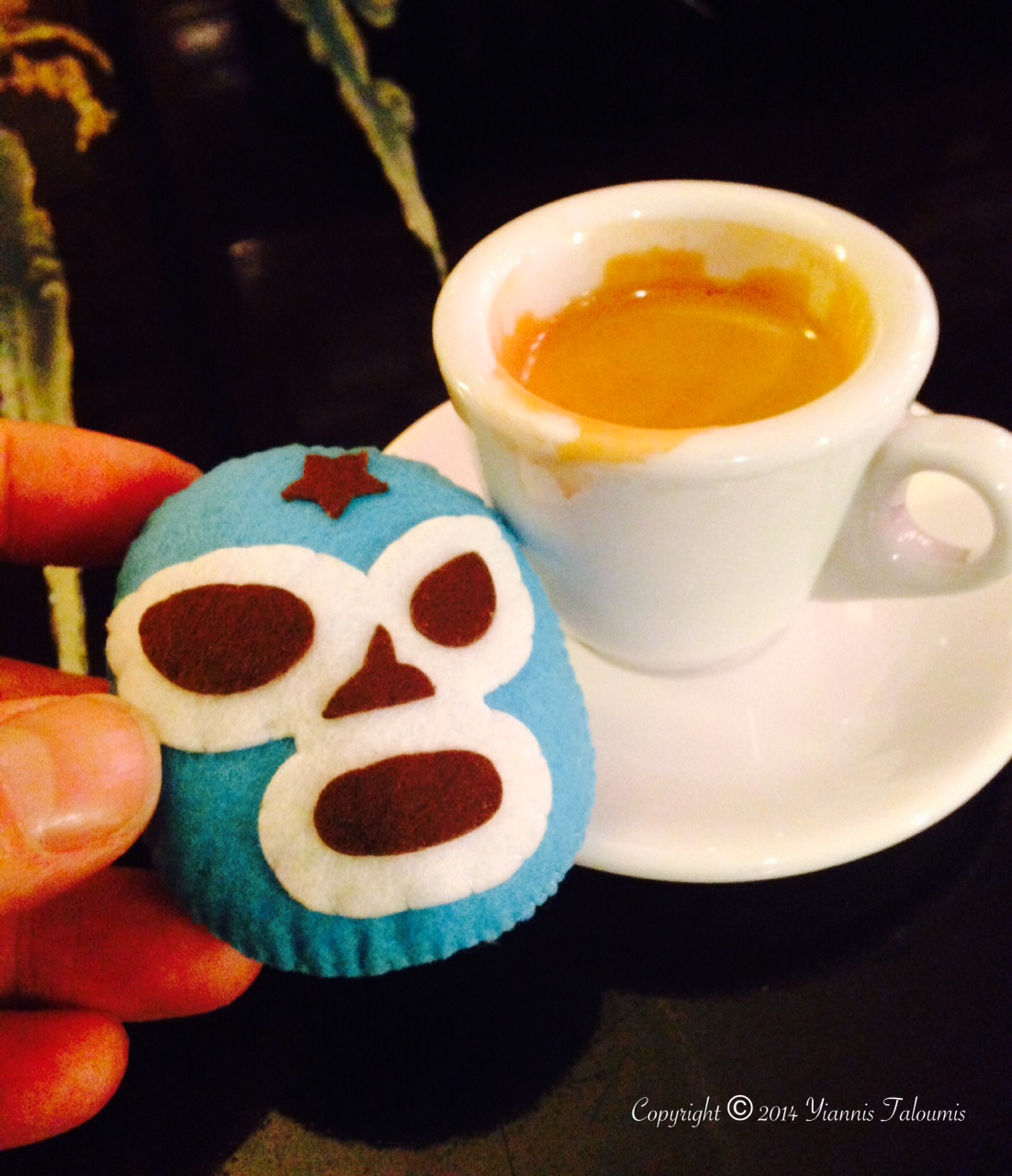
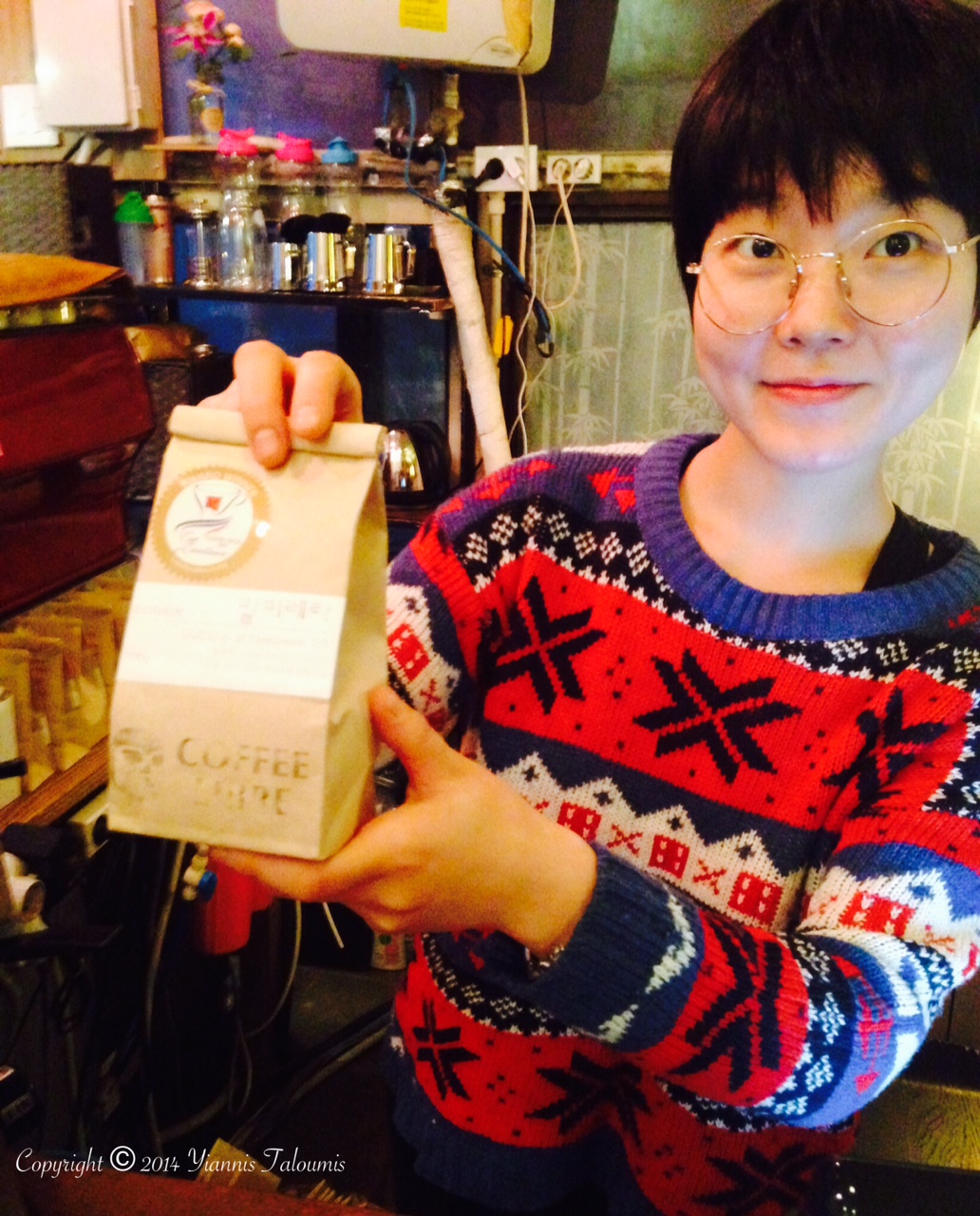
Libre, a coffee shop near Yonsei Univercity, small size, impessive services. We got lost and we were making rounds and rounds to spot it, as street blocks are small and even the tinest alley crossing local markets, is concidered a street and has a name. In Libre I sipped a Gesha espresso from Costa Rica, excellent cup with refreshing acidity.

phonto (12) phonto (15)

Quality at Brew Lab, Nicosia

photo 5

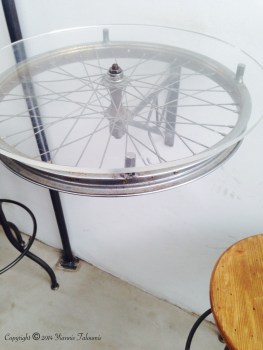
Here I am in Nicosia in Cyprus, to give a seminar about espresso and also to promote Taf Coffee in the local market. One year before I had visited Nicosia because a new espresso bar opened its doors for the first time, it was the Brew Lab. I am glad to return and so satisfied to see this coffee shop actually gained reputation only by insisting in quality.
Chris, the owner is devoted in Taf quality, he takes the right steps in preparation so that the beverages have
standard taste and hight quality.

photo 1 photo 2

Nicosia, like Athens,  is currently facing economic crisis, however coffee services are not influenced. There is no quality discount. It reminds me a lot of the first months back in 2009 when Taf was launched in the Greek marketplace. We were in the middle of an economic hurricane; we had to insist again and again that even in hard times you must chase high quality. Today we are sure that it was worth trying.

photo 4 photo

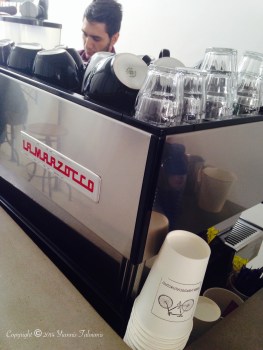
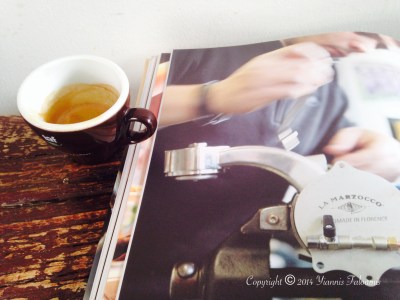
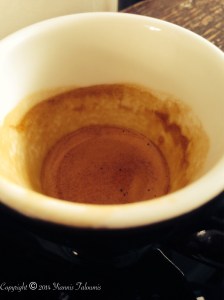
The coffee I am trying is a single estate espresso from La Bandera farm, a red Catuai variety, from the region Copey de Dotta, in Tarazzu Costa Rica. The red beans have matured in altitude of 1850- 1950 m. above sea level. This was the lot I had chosen on March 2014 for its genuine cup profile and especially the intense sweet acidity, the brown sugar finish. I bought it for Taf and now here it is in my cup in Cyprus on a shiny day of 20° C, accompanying me in browsing the coffee book “The Blue Bottle Craft of Coffee”. Chris prepared the espresso shot using 21 gr. of fresh coffee in the double portafilter of La Marzocco Linea, water temperature was 92,5 °C and extraction time 23 seconds.
The seminar of the ideal espresso preparation is about to start.