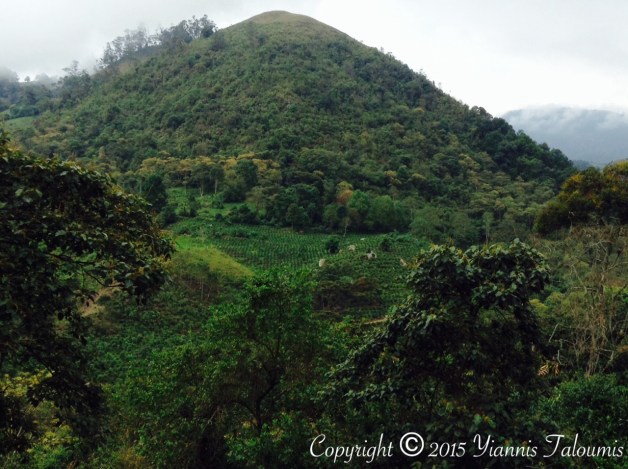
Colombia is the fountain of arabica coffee, is the second largest producer of coffee in the world. Colombian coffee is cultivated on its particular geographical regions, that consisted of the southern (Narino, Huila, South of Tolima and Cauca), the central (Caldas, Quindio, Risaralda, Norte del Vale, Antioquio, Cundinamarca, Norte del Tolima), and the north (with the departments of Magdalena, Casanare, Cesar, Norte de Santander and Santader). Coffee grows on the Cordillera de los Andes, the western part of the principal Andes chain. There is a ten- point deviantion in the gradient from the lowest to the highest level and that range is taken as a sample for all central America and Mexico. Its climate, with continuous rainfalls, gives people the chance to harvest all year round.
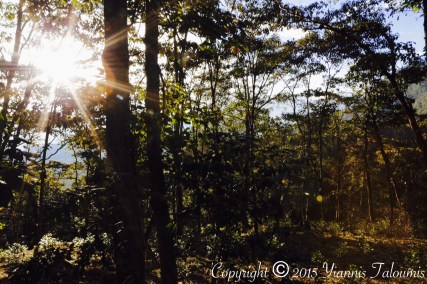 There are two types of harvesting, reffering to the amount produced, the principal period from Arpil until June and the so-called Mitaca, which begins on September and last up to December.Colombia’s special feature is that the majority of coffee beans (60%) comes from producers that only own areas smaller than a hectar. Less that 1% of the producers owns more than 20 hectars. That makes Colombia the country of 500.000 farms. From this enormous amount, I only distinguish one.
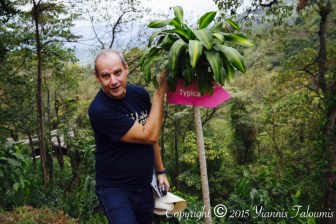
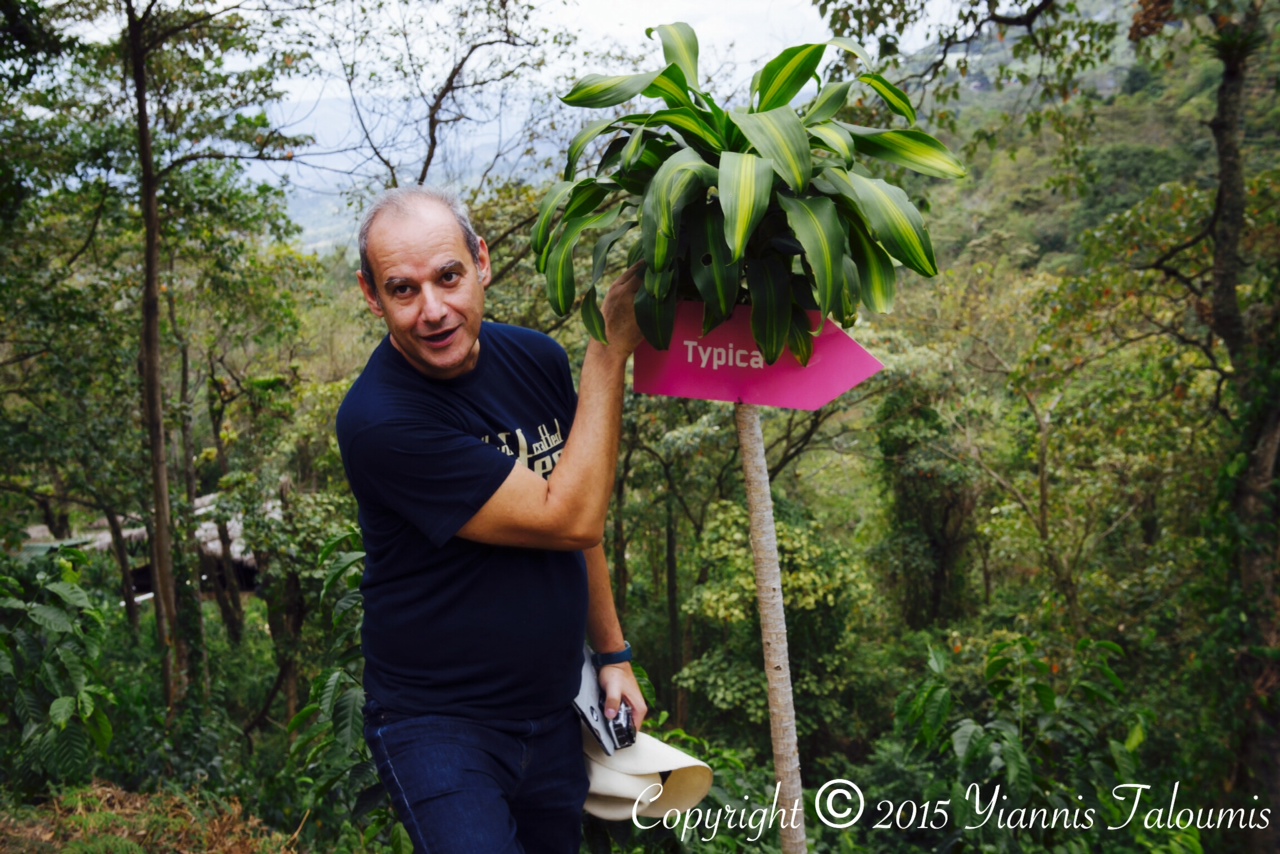
La palma y el tucan is situated in Cudinamarca, 1.800 meters above sea level and has a three year old story. I visit them once a year. The owners, Elisa and Felipe are two visioneers that focus on production on their own, unique way. They worship quality and look for persistency in their coffee, like me, we are bound by common values. They don’t follow the traditional model of cultivation, but instead they have cultivated exotic varieties for Colombia, such as SL 28, typica, geisha, red bourbon.

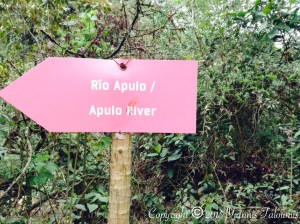
Farm’s microclimate is perfect and yet favored by river Apulo that passes by the farm.The owners have built a wash station to make the processing, fully harmonized with the environment, that uses solar power system panels. The lab has a sophisticated style, wearing camouflage, all covered up with mirrors- that reflect the trees! They have also taken good care of their guests and made cabins for them.
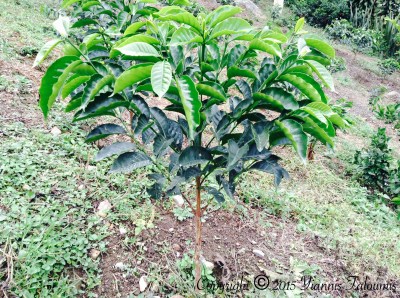
Taking for granted that the farm is three years old and the trees are still young, giving low production, La palma y el tucan coordinates with the neighboring farms with a special care program, that lets them control the picking and then practice the process in the farm.
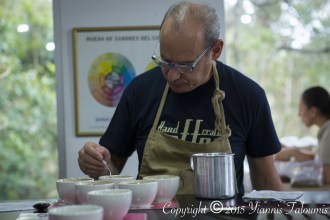

Until today I was given coffee made out of this neighboring farming programm, but this year I am waiting a tiny amount from the already small production of their own coffee trees. Processing follows particular methods and rules, with enormous caring for the mature fruits, such as experimenting on different customised processing profiles. In their lab I had the chance to taste many of these cups and I will always remember it because there are only few times that someone has such a complete coffee experience, from tree and processing to the cup.
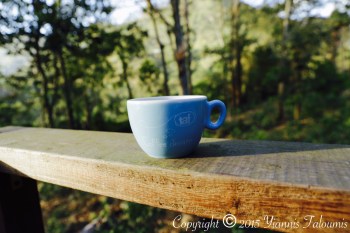
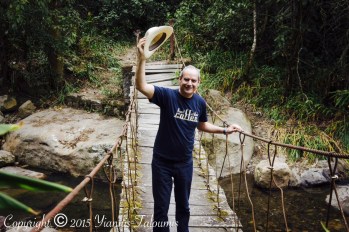
During my last visit, I made two choises from the farms next to La palma y el tucan, named Rosalbina and Jorge Espitia.
I am expecting to travel to Colombia, to taste the coffee from the cherries that grew in their own trees and to sleep in the new cabins at this earthly paradise named La palma y el tucan.


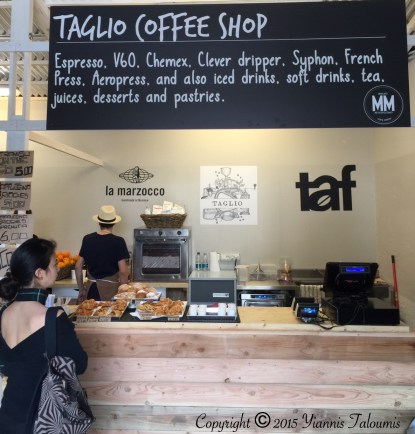

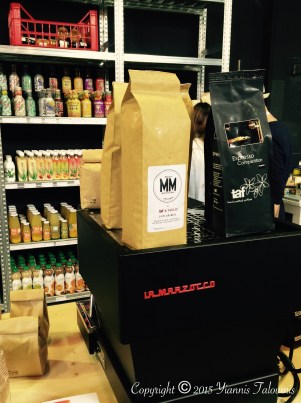
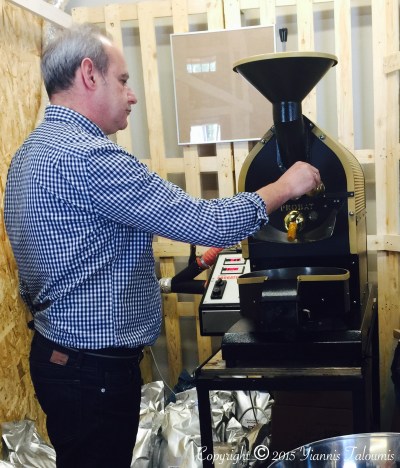




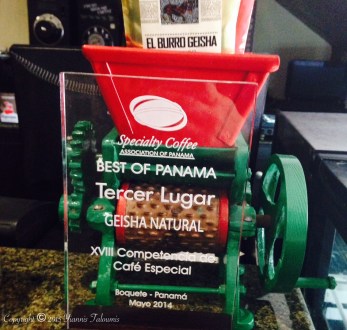

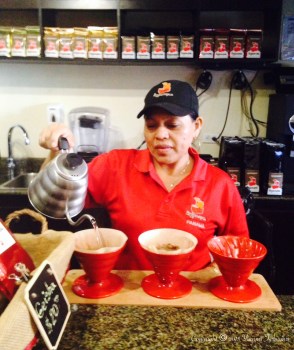
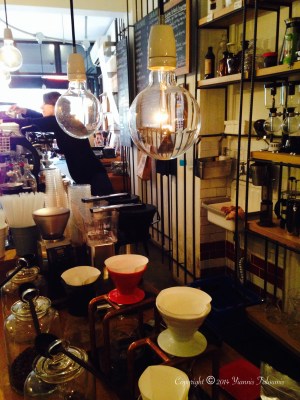
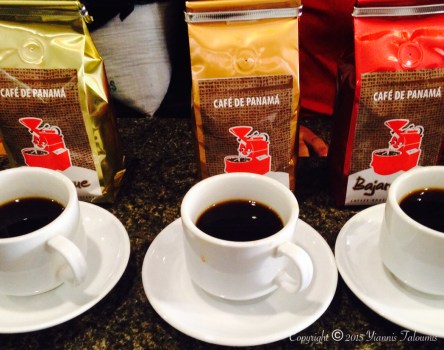 In the menu there is a different proccess trilogy of a special Geisha variety. This variety is widely known to give exceptional taste and cup profiles, and, especially the Panama Geisha, differs a lot from other coffee’s origins. It is amazing. Natural, Honey and Washed is the three proccessing methods. All three coffees were prepared on a V60. The barista ground the coffee and then passed it to me to take the dry aroma.





 The coffee pursuit